Practical Ways to Build Balanced Meals Without Overcomplicating Your
Meal planning does not need to be time-consuming or complicated to be effective. In fact, simple and flexible strategies can often be the most sustainable when it comes to maintaining a balanced diet over time.
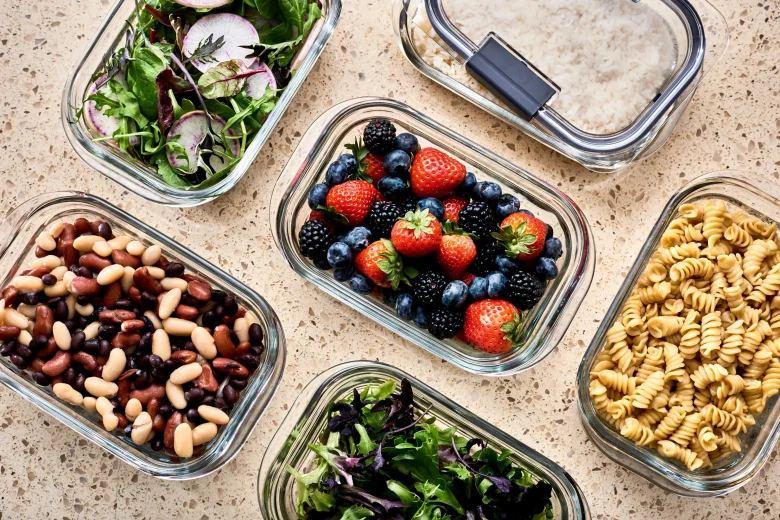
One practical approach is to think in terms of building meals from a few basic components. Including a source of carbohydrates, a protein option, and some fruits or vegetables can help create a more balanced plate. This structure can be adapted to different cuisines and personal preferences, making it easy to apply in everyday life.
Consistency is often more helpful than perfection. Planning a few meals ahead—rather than an entire week—can make the process feel more manageable. Preparing ingredients in advance, such as chopping vegetables or cooking grains, can also save time during busy days.
Another useful strategy is to keep meals simple. Repeating a few go-to dishes throughout the week can reduce decision fatigue and make it easier to stick to a routine. Over time, these familiar meals can become the foundation of a balanced eating pattern.
Flexibility remains important. Unexpected changes in schedule or appetite are normal, and meal plans should be able to adapt. Having a variety of basic ingredients on hand allows for quick adjustments without relying on highly processed options.
Hydration and regular meal timing can also support a balanced approach. Eating at consistent times and staying hydrated throughout the day may help maintain steady energy levels.
Ultimately, meal planning is about creating a system that fits into your lifestyle. By keeping things simple, consistent, and flexible, it becomes easier to maintain balanced eating habits over the long term.